
The Global Economic Impact of Vietnam’s Crypto Legalization
By formally recognizing digital assets (crypto assets) as legal property under the Digital Technology Industry Law, Vietnam has transitioned its booming crypto market—boasting over 17 million crypto holders (more than 20% of the population) and over $200 billion in on-chain transaction volume—from a “grey zone” into a legally regulated framework.
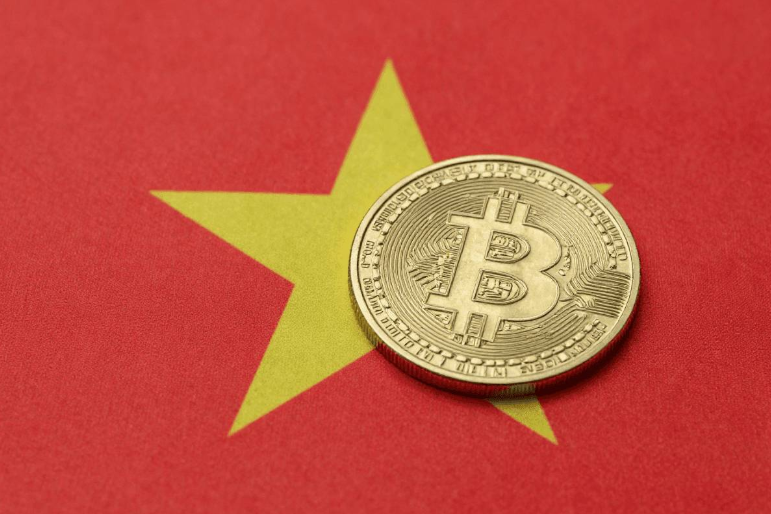
This pivot carries profound implications for both Vietnam’s domestic economy and the broader global Web3 and macroeconomic financial landscape:(Vietnam crypto exchange)
1. Shift in Global Crypto Capital and Tech Hubs
-
Southeast Asia’s New Web3 Hub: Vietnam consistently ranks at the top of Chainalysis’s Global Crypto Adoption Index. Following legalization, leveraging its deep pool of developer talent (as the birthplace of major Web3 projects like Axie Infinity) and exceptionally high grassroots adoption, Vietnam is attracting global venture capital (VC), Web3 startups, and licensed exchanges to accelerate their compliant expansion in Southeast Asia.
-
Standardization of Capital Flows: Vast volumes of previously shadow market transactions and OTC foreign exchange flows are now brought into a clear regulatory fold. Establishing compliant capital channels enables international institutional capital to enter Vietnam’s digital economy seamlessly.
2. Paradigm Shift in Emerging Market (EM) Regulation
-
The “Legal Property, Not Legal Tender” Model: Unlike El Salvador’s aggressive path of making Bitcoin legal tender, Vietnam explicitly defines crypto assets as “legal property” rather than a “means of payment.” This approach mitigates the risk of local currency (VND) substitution while accommodating digital asset trends, offering a compelling regulatory blueprint for Southeast Asian neighbors (e.g., Thailand, Indonesia) and other emerging markets.
-
Addressing FATF Grey List Pressures: By enforcing robust KYC (Know Your Customer), AML (Anti-Money Laundering), and CFT (Countering the Financing of Terrorism) frameworks, Vietnam is proactively improving its financial compliance standards, thereby reducing due diligence costs for global financial institutions partnering with emerging markets.
3. Unlocking RWA (Real-World Assets) and Cross-Border Trade
-
Innovation in Supply Chain & Trade Finance: As a major global manufacturing and export power, Vietnam’s legal recognition of crypto assets and blockchain provides a solid legal foundation for Real-World Asset (RWA) tokenization (such as export invoices, warehouse receipts, and supply chain finance instruments). This directly connects global capital with Southeast Asia’s real economy.
-
Compliant Remittances & Financial Inclusion: Vietnam has a massive overseas diaspora facing traditionally steep remittance fees. The compliant integration of crypto assets dramatically lowers cross-border payment costs, enhancing the efficiency of global capital mobility.
4. Reshaping Global Crypto Taxation and Compliance Arbitrage
-
Establishment of a Tax Framework: Through formal tax structures targeting licensed exchanges and trading activities (e.g., withholding tax, income tax, corporate tax), Vietnam is successfully turning previously shadow transactions into regulated fiscal revenues.
-
The Tug-of-War Between Offshore and Onshore Liquidity: Regulatory preferences for locally licensed platforms coupled with restrictions on unlicensed entities are compelling tier-1 global exchanges (such as Binance and OKX) to actively pursue localized compliance licenses across Southeast Asia.
Summary:Vietnam’s crypto legalization goes beyond bringing a hundred-billion-dollar domestic underground market into the light; it marks a strategic evolution among emerging markets—moving from passively absorbing Web3 retail liquidity to leveraging clear regulation to attract global digital capital and technology. This transition not only accelerates the eastward shift of the global crypto center of gravity but also provides fresh momentum for bridging digital assets with the real economy through RWA and supply chain finance.