
Vietnam Accelerates Compliance Management of First Batch of Mainstream Cryptocurrencies
Vietnam has long been one of the regions with the highest global cryptocurrency adoption rates. According to data from Chainalysis and other organizations, Vietnam’s annual cryptocurrency trading and liquidity reaches hundreds of billions of dollars, ranking among the top in Southeast Asia. However, the large retail investor base, highly active peer-to-peer (P2P) trading, and extremely high market liquidity have, for a long time, existed in a “gray area” lacking a unified regulatory framework.
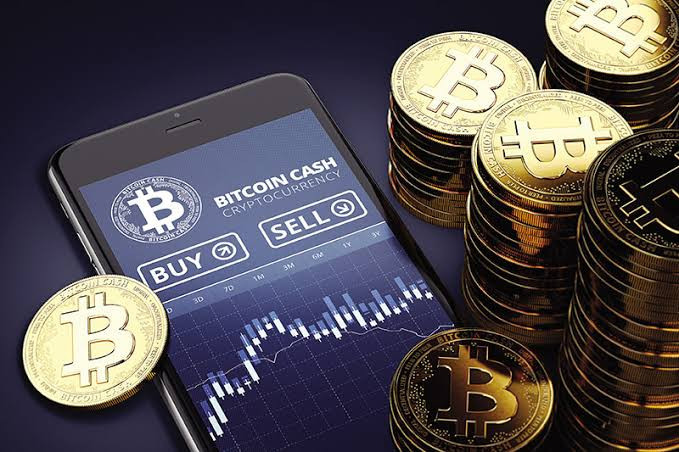
Recently, a statement by Mr. Do Tran Hoa, Deputy Director of the Standing Committee of the Cryptocurrency Asset Trading Market Management Committee of the State Securities Commission of Vietnam, signals that Vietnam is accelerating the compliance and formalization of cryptocurrency trading.
I. Exchange Self-Determination and Priority Selection: Breaking the Bottleneck with Highly Liquid Assets
Regarding the question of which assets licensed exchanges will be allowed to list in the future, Mr. Do Tran Hoa clearly stated that the choice of which cryptocurrencies to list is up to the exchanges themselves.
However, the regulatory agency explicitly recommends and encourages exchanges to prioritize listing assets with high liquidity and global recognition, such as Bitcoin.
Analysis of the current situation: This statement is very much in line with the current market characteristics of Vietnam. Vietnam has a large retail investor base, favoring various small-to-medium-sized tokens (Altcoins) and Meme coins. However, these assets often come with extremely high market risks and the risk of price manipulation. Regulatory authorities recommend prioritizing the initial opening of highly liquid core assets such as Bitcoin, aiming to provide a “buffer” for the newly established local compliant trading ecosystem and ensure the safety and stability of trading activities during the compliance trial phase.
II. Handling of Unlisted Assets: Relying on Licensed Exchanges for Transfers and Reports
Regarding the core concern of many investors—”What to do with the unlisted cryptocurrencies they hold?”—Mr. Du Chenhe reassured investors: Investors can rest assured that they can still rely on licensed exchanges in Vietnam for transfers and transactions.
At the same time, he also pointed out a key aspect of compliance governance: After each transaction is completed, the exchange must report to the competent authority as required by law.
Analysis of the current situation: Previously, Vietnam had a large number of over-the-counter (OTC) transactions and P2P on-chain transfers, which easily fostered risks such as money laundering and illegal cross-border capital flows. By adopting a model of “licensed exchange takeover of transfers + post-event compliance reporting,” the legitimate private asset liquidity rights of existing investors are protected, while national regulatory agencies establish a transparent on-chain risk control line, achieving a transition from “unregulated growth” to “traceable regulation.”
Conclusion: A New Milestone for Vietnam’s Crypto Ecosystem(Vietnam crypto exchange)
The answers provided by the Vietnam National Securities Commission signify a shift in Vietnam’s attitude towards crypto assets from “prevention and observation” to “orderly guidance and compliant regulation.”
While maintaining high market competitiveness and investment enthusiasm, Vietnam is committed to creating a new digital asset market ecosystem that balances financial innovation with manageable risks by establishing a licensed exchange system, guiding the listing of highly liquid mainstream assets, and implementing transaction reporting responsibilities. For Vietnamese investors, a more compliant and secure era of crypto trading is quietly arriving.