
Vietnam Crypto P2P “Account Freeze Wave”: Investors Struggle with Cash-Out Dilemma
In the Vietnamese cryptocurrency market, peer-to-peer (P2P) trading has long been the primary channel for investors to convert fiat currency (VND) into crypto or cash out. Recently, however, many local investors have found themselves caught in a sudden crisis: their personal bank accounts are being frequently frozen without prior warning due to P2P transactions, leaving some even facing police investigations.(Vietnam crypto exchange)
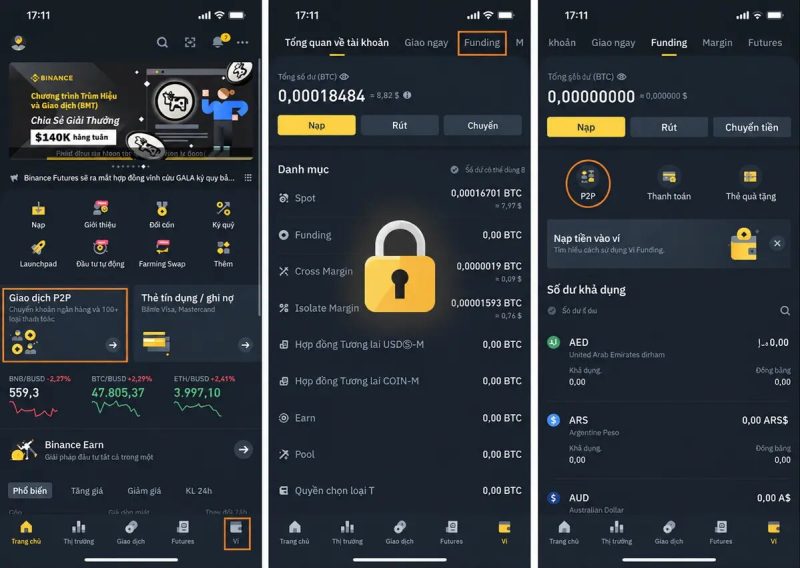
1. Outbreak of the Freeze Wave: Hidden Risks in Vietnam’s P2P Trading
Under Vietnam’s current legal framework, cryptocurrencies have not been granted legal status as a means of payment or recognized asset class. Most retail investors use the P2P features on major exchanges (such as Binance, OKX, etc.) to directly transfer or receive VND with unfamiliar personal accounts.
Because certain P2P merchants or counterparties may be tied to illicit fund chains—such as telecom fraud, online gambling, or money laundering—when “dirty money” flows into a regular investor’s bank account, bank risk control systems and Anti-Money Laundering (AML) mechanisms are immediately triggered, leading to the lawful freezing of bank accounts belonging to innocent buyers and sellers alike.
2. Lack of Recourse and Compliance Growing Pains
Once a bank account is locked, Vietnamese investors face enormous communication hurdles. Since crypto trading is not protected by law, users cannot directly disclose to banks or law enforcement that the true source of funds was “purchasing USDT or Bitcoin.” Doing so not only fails to unfreeze the funds but may also expose them to administrative risks regarding alleged illegal business operations or foreign exchange violations. This lack of legal recourse leaves many small-to-medium investors anxious whenever they try to cash out.
3. Where Is the Real Way Forward for Vietnam’s Crypto Market?
This wave of account freezes exposes a long-standing pain point in Vietnam’s crypto ecosystem: the inherent contradiction between massive retail demand and underground grey-market transactions.
As the Vietnamese government gradually advances digital asset legislation, explores compliant digital asset exchanges, and tightens AML oversight, the space for unmonitored P2P trading relying on traditional bank accounts is being drastically squeezed.
Conclusion
For Vietnamese crypto investors navigating these changing tides, blindly chasing high exchange rates through unfamiliar P2P counterparties is no longer safe. Learning how to avoid tainted funds and mitigate account freeze risks has become an essential survival skill for every Web3 participant in Vietnam today.