Vietnam Cybersecurity Department: Promoting the Orderly Return of Crypto Assets to Domestic Exchanges
The Cyber Security Bureau speaks about transferring cryptocurrency assets to domestic exchanges.Market participants need to understand the identity verification and data validation mechanisms to ensure transparency when transferring digital capital.
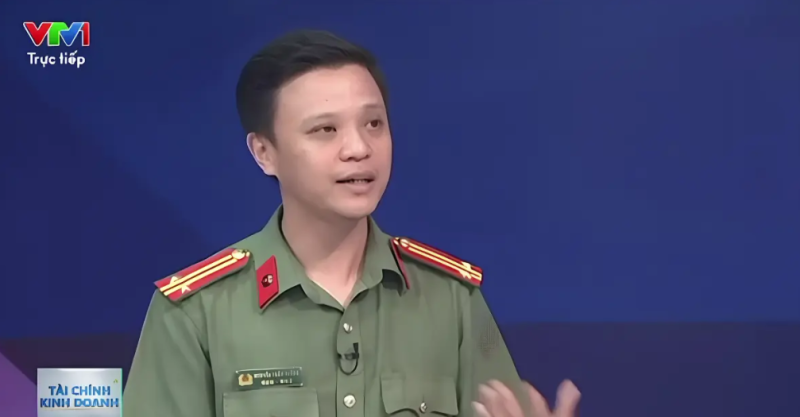
Lieutenant Colonel Nguyen Tuan Cuong – Representative of the Cyber Security and High-Tech Crime Prevention Department under the Ministry of Public Security. Photo: VTV1
In the Business Finance program broadcast on VTV1, the issue of transferring digital assets from international platforms to domestic exchanges received significant attention. Lieutenant Colonel Nguyen Tuan Cuong, representing the Cyber Security and High-Tech Crime Prevention Department of the Ministry of Public Security, provided specific answers, helping the investment community resolve concerns about the process of proving the origin of funds as the domestic legal framework is gradually being perfected.
Concerns about the origin of investors’ assets.
For many years, the majority of users in Vietnam have primarily owned cryptocurrency assets through peer-to-peer (P2P) transactions or direct trading on international platforms. As the pilot program and licensing of domestic cryptocurrency exchanges are implemented, many people have expressed concerns about potential obstacles to transferring assets back to Vietnam. The biggest question is whether previously accumulated funds will be questioned or whether proving the legitimacy of the funds will be difficult.
In response to this issue, representatives from the police agency clearly analyzed two specific cases to help people understand correctly and proactively conduct transactions in accordance with the law. This classification is based on the data storage and user data management mechanisms of each platform.
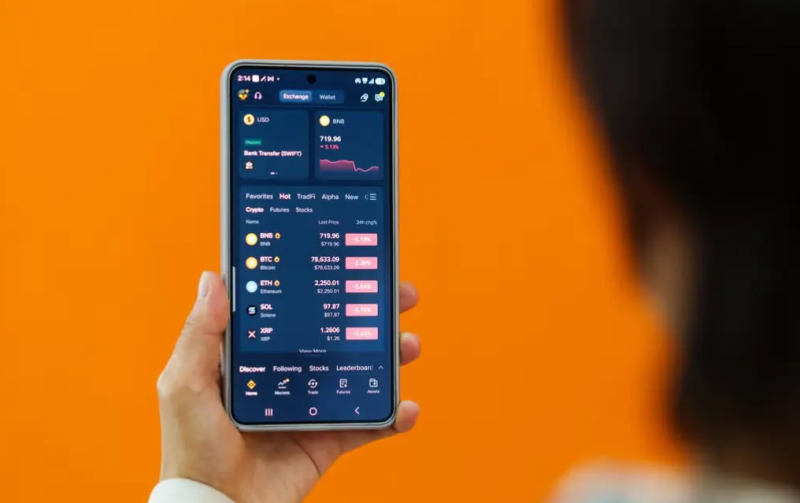
Image of users on an international trading platform. Photo: Bloomberg
Advantages of transferring money from verified international exchanges.
The first case involves users transferring assets from centralized international exchanges that apply customer identity verification procedures, such as OKX . On these platforms, participants have completed providing personal information, including their national identity card and portrait photo, to activate their accounts.
When investors transfer assets from these international exchanges to licensed domestic exchanges in Vietnam, the procedure is relatively convenient and uncomplicated. This is because these exchanges are all subject to Recommendation 15 issued by the Financial Action Task Force (FATF).
According to this recommendation, organizations providing virtual asset services must comply with the Travel Rule, which requires parties to automatically share the sender’s and recipient’s identifying information when a transaction occurs. Thanks to this cross-border authentication flow, domestic exchanges can quickly verify identities and record valid assets for users.
Strict verification mechanisms for personal storage wallets.
The second case involves investors transferring assets from self-managed personal wallets, commonly known as cold wallets or decentralized software wallets. The defining characteristic of these wallets is their high level of anonymity and complete lack of personal verification mechanisms. Anyone can create and use such a wallet without disclosing their identity or providing identification documents.
Due to the lack of initial identification data, domestic exchanges, when receiving assets from self-managed wallets, are required to implement a transaction verification process, commonly known as KYT. This verification process will take more time than transferring from a centralized exchange.
The exchange’s technical team and monitoring system will trace the history of funds flow on the blockchain to verify whether the sending wallet address has ever been involved in illegal activities such as money laundering, terrorist financing, cyberattacks, or entities on international sanctions lists. If risks are detected, the exchange has the right to temporarily hold the transaction to coordinate handling in accordance with financial security regulations.
Proactive solutions for investors when shifting assets.
To best prepare for the official launch of domestic cryptocurrency exchanges, market participants should proactively review their entire portfolios and asset storage channels. For accounts on international exchanges, users should complete all top-level verification steps and store clear transaction documents.
For assets held in self-managed wallets, investors should retain the history of initial purchase and sale transactions from reputable partners, avoiding interactions with protocols or smart contracts of unknown origin. Transparency in the history of fund movements is key to ensuring a smooth transfer of assets to domestic exchanges, protecting the legitimate rights of the owners, and contributing to building a healthy digital financial environment in Vietnam.(Vietnam Crypto Exchange)