
TCEX Deputy Director Doan My Hanh: How RWA and Tokenized Securities Solve Vietnam’s “Capital Shortage and Asset Surplus” Dilemma
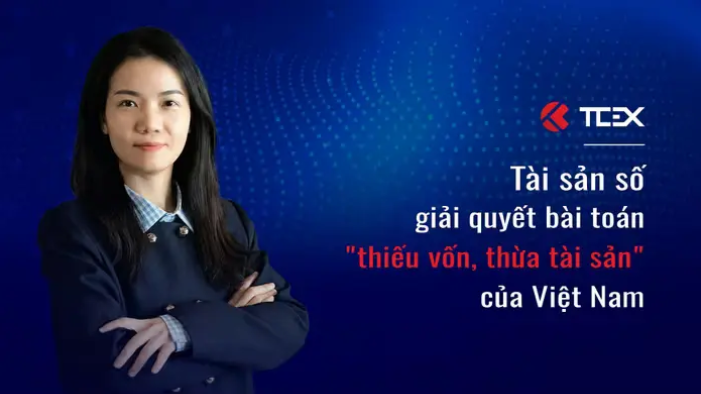
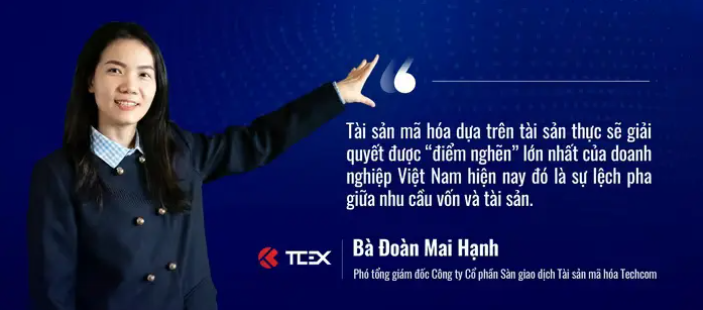
With the promulgation of regulatory policies such as Resolution No. 05/2025/NQ-CP in Vietnam, the integration of blockchain and the real economy has reached a critical turning point. Addressing the predicament where domestic SMEs possess abundant assets yet struggle to secure efficient financing, Ms. Doan My Hanh, Deputy Director of Techcom Crypto Assets Exchange (TCEX), pointed out that taking Real-World Asset (RWA) tokenization and tokenized securities as breakthroughs will not only convert illiquid physical assets into working capital and open up diversified financing channels, but also attract global compliant capital, serving as an effective policy and market solution to resolve Vietnam’s “capital shortage and asset surplus” contradiction.
I. Core Views and Regulatory Background
-
Key to the Solution: Under the framework of Resolution No. 05/2025/NQ-CP and the Law on Digital Technology Industry, TCEX Deputy Director Doan My Hanh highlighted that Real-World Asset (RWA) tokenization can effectively address the liquidity bottleneck of “capital shortage and asset surplus” facing Vietnamese enterprises, particularly SMEs.
-
Development Stages and Asset Trends:
-
Initial Mainstay (RWA): Focuses primarily on tokenizing cash-flow-generating real estate (such as office buildings and industrial plants). Backed by physical assets and easy to verify, it aligns with “prudent and controllable” regulatory standards.
-
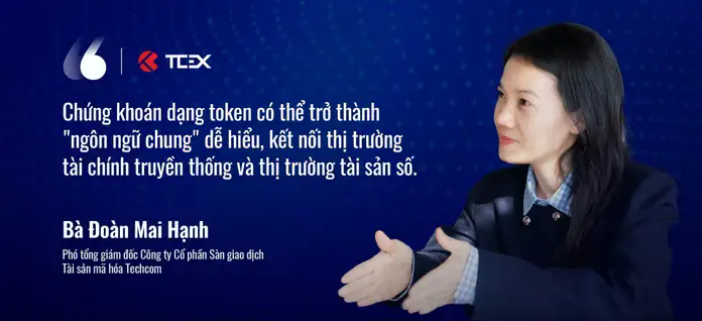
Core Backbone (Tokenized Securities): Moves equities and bonds onto the blockchain for issuance without altering their underlying legal nature, serving as the optimal bridge to reduce settlement costs and regulatory risks.
-
Long-Term Expansion: Extends to commodities, tokenized ETFs, and Central Bank Digital Currency (CBDC).
-
II. Value of RWA (Real-World Assets) to the Vietnamese Market
-
Overcoming SME Financing Bottlenecks: SMEs account for nearly 98% of all businesses in Vietnam. Although they hold substantial real estate or movable property, these assets are difficult to fractionalize for collateralization (accounting for less than 20% of total outstanding bank credit).
-
Four Core Advantages:
-
Opening New Channels: Reduces reliance on traditional bank credit.
-
Lowering Investment Thresholds: Fractionalizes asset ownership, attracting retail investors and global capital.
-
High Transparency: Stored immutably on the blockchain.
-
Automated Execution: Smart contracts execute yield payouts directly, mitigating third-party fraud risks.
-
III. Practical Feasibility of Tokenized Securities
-
Not Premature, But Safest: Does not alter the legal status of the assets—only shifts the issuance and custody medium to a new technology platform. It aligns with traditional regulatory standards and represents a globally adopted, low-legal-risk path tested in jurisdictions like Switzerland and Singapore, as well as by institutions like JPMorgan.
-
Efficiency and Cost Reduction: Shortens settlement cycles and relieves operational pressure on the Vietnam Securities Depository and Clearance Corporation (VSDC).
IV. Positioning and Preparation of TCEX(Vietnam crypto exchange )
-
Heritage: Inherits the technical platform and strategic direction from its founding parent company, Techcom Securities (TCX), serving as its extension in the digital and crypto asset space.
-
Compliance Goals: Finalizing system security (aiming for Level 4 standards), AML, and risk management mechanisms to secure one of the first pilot licenses under Resolution No. 05/2025/NQ-CP.
V. Six Recommendations for Implementing the Pilot Framework
-
Prudent Expansion of Participants: Establish an investor assessment framework to allow eligible domestic professional and high-net-worth individual investors to participate in the pilot.
-
Prioritize Tokenized Securities Pilots: Adopt internationally recognized standards (such as ERC-1400 and ERC-3643) and establish their legal standing.
-
Clarify Accounting and Tax Standards: Issue clear guidelines on accounting treatment, valuation, and VAT/corporate income tax obligations for digital assets.
-
Enhance Sandbox Transparency: Disclose selection criteria for pilot institutions and establish regular constructive dialogue mechanisms between regulators and pioneering enterprises.
-
Standardize Technical and Smart Contract Standards: Formulate unified token issuance and smart contract specifications to prevent market fragmentation.
-
Connect with Global Compliant Liquidity: Allow licensed exchanges within the sandbox to collaborate with offshore compliant platforms licensed by authorities such as MAS (Singapore) or the US SEC to share liquidity.