
Are 3 digital asset exchanges ready to operate?
TCEX has become the next company to complete Level 4 information security assessment, following SCEX and CAEX. However, meeting security requirements does not mean the exchanges are officially eligible to begin operations.
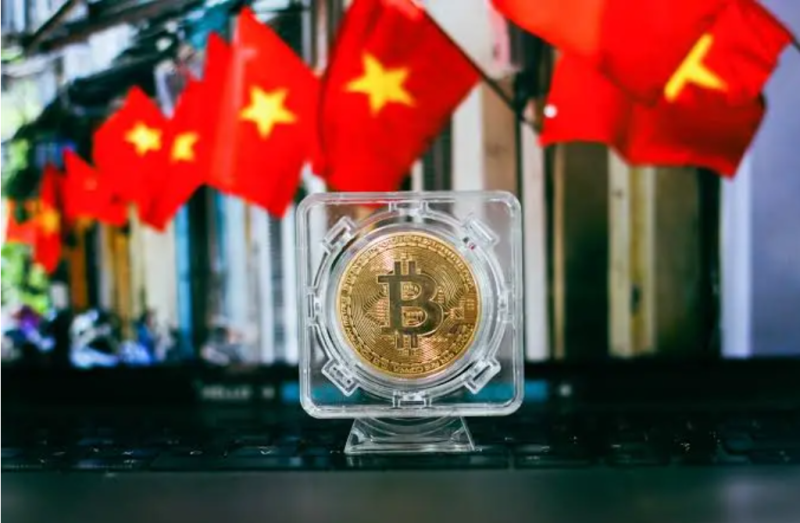
CAEX, TCEX, and SCEX accelerate preparations.
The cryptocurrency market in Vietnam is witnessing new advancements as businesses continuously improve their capital and technological infrastructure. Among them, SCEX, TCEX, and CAEX are three companies that have announced the completion of Level 4 information system security assessments, a crucial requirement in preparing to enter the market.
Techcom Cryptocurrency Exchange (TCEX) recently announced that its application for Level 4 information system security has been assessed and approved by authorities under the Ministry of Public Security. This is one of the notable technical requirements for organizations participating in providing cryptocurrency services within the pilot framework in Vietnam.
A Level 4 information security system sets stringent standards for data protection, access control, risk management, and the ability to maintain operations in the event of an incident. Completing the assessment demonstrates that the company has taken another step in preparing the infrastructure to support digital asset transactions.
CAEX is the first exchange to announce it has passed Level 4 information system security assessment.
Prior to TCEX, SACOM Cryptocurrency Exchange Joint Stock Company (SCEX) and Vietnam Prosperity Cryptocurrency Exchange (CAEX) also announced the completion of Level 4 information security assessments.
The three businesses have different foundations in terms of ecosystem and resources. TCEX includes participation from Techcombank Securities Joint Stock Company (TCBS), while CAEX belongs to the VPBank ecosystem. SCEX has also completed increasing its charter capital to VND 10,000 billion, indicating that the businesses are simultaneously focusing on the requirements for financial capacity and technical infrastructure.
The participation of businesses connected to major financial ecosystems is expected to generate additional resources for the domestic cryptocurrency market. However, building an exchange not only requires initial investment but also entails significant costs for security, asset custody, risk management, and regulatory compliance.
In the initial phase, the business effectiveness of these platforms remains an unanswered question. Before official operation, it is impossible to fully assess their ability to attract users, the volume of transactions, and their contribution to the revenue and profits of the related business ecosystem.
Completing the assessment does not necessarily mean permission to operate.
Despite having passed a crucial test, SCEX, TCEX, and CAEX cannot be considered operational based solely on Level 4 cybersecurity assessment results.
Within the framework of the pilot program under Resolution 05/2025/NQ-CP, businesses must still meet the relevant conditions and complete the licensing procedures as prescribed before officially providing services. Information system security requirements are part of the preparation process and do not replace the operating license.

Resolution No. 05/2025/NQ-CP has paved the way for many businesses in the digital asset sector.
Therefore, the competition among cryptocurrency exchanges in Vietnam is no longer solely about capital size or the ability to build technological infrastructure. The ability to fully meet legal requirements, protect customer assets, and maintain stable operations are the decisive factors in determining which businesses can enter the market.
All three exchanges have made significant progress in their preparations, but the official launch date still depends on the completion of remaining conditions and the licensing outcome from the competent authorities.(Vietnam Crypto Exchange)