
How Vietnamese Investors Should Handle Bank Account Freezes When Selling USDT via P2P
Although cryptocurrencies have gained immense popularity and attention in Vietnam, they have not yet been granted full official legal tender status. Many investors are accustomed to using Peer-to-Peer (P2P) features on major exchanges (such as Binance) to convert USDT into Vietnamese Dong (VND), or vice versa.
However, this trading method faces severe legal and security risks. Due to the anonymity of P2P counterparty identities and the complexity of funding sources, large volumes of illicit funds—derived from telecom fraud, online gambling, and hacker attacks—are frequently laundered through P2P channels. When unsuspecting investors unwittingly interact with these illicit fund chains (for example, by receiving VND transferred by individuals involved in criminal cases), their Vietnamese bank accounts (e.g., Vietcombank, Techcombank) are extremely vulnerable to domino-style account freezes (đóng băng tài khoản) by police authorities or bank risk control systems.(Vietnam crypto exchange)
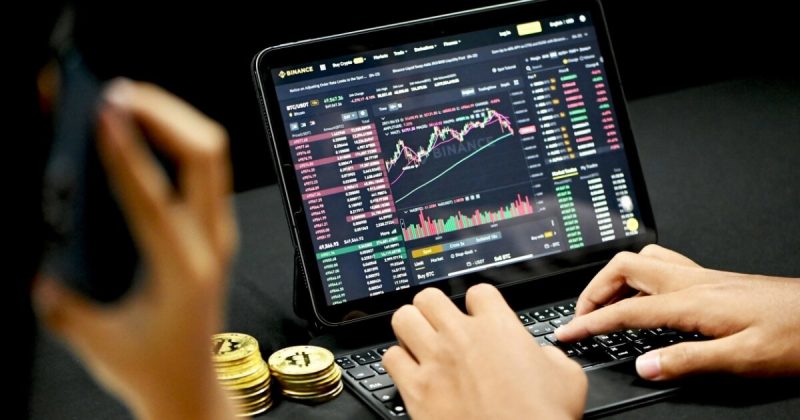
Reasons Behind Bank Account Freezes in Vietnam’s USDT P2P Trading
”Dirty Money” Contamination (Illicit USDT or VND):
When selling USDT, if investors accept orders offering unusually attractive exchange rates or transfers originating from non-real-name third-party accounts, they are at high risk of receiving illicit proceeds tied to criminal cases.
Lack of Mature Local Compliance Channels:
Although certain regions in Vietnam (such as Da Nang) are exploring compliant conversions or pilot solutions (e.g., MIMO), the vast majority of retail investors still rely on unregulated peer-to-peer transfers, which lack effective legal protections and isolation mechanisms between on-chain and off-chain funds.
Upgraded Bank Risk Control Systems:
As Vietnam intensifies its anti-money laundering (AML) legislation and anti-cybercrime efforts, commercial banks have tightened surveillance over unusual large-value transactions and frequent multi-account fund movements through blanket enforcement, leading to frequent unannounced account suspensions.
How Should Vietnamese Investors Handle and Protect Their Bank Accounts?
To safeguard funds and mitigate the risk of account suspensions in crypto investing, industry experts provide the following actionable recommendations:
Carefully Screen P2P Counterparties (Merchants):
Prioritize trading with platform-certified, highly reputable merchants or Pro/Verified Merchants. Avoid choosing unverified retail accounts offering abnormally high prices for small gains.
Strictly verify the real-name identity of both parties to ensure the sender’s bank account name exactly matches the verified name registered on the crypto exchange. Never accept or send payments using third-party accounts, including those of relatives.
Maintain a Complete Audit Trail of On-Chain and Off-Chain Evidence:
Keep thorough compliance documentation. When executing large fiat withdrawals, always save P2P order screenshots, bank transfer receipts, relevant on-chain transaction hashes (TxID), and wallet transfer records. This evidence is vital for justifying the legitimate source of funds during bank or police inquiries.
Diversify Funds and Utilize Alternative Channels:
Do not consolidate all liquid capital into a single primary daily bank account. It is strongly advised to open a dedicated “secondary bank card” specifically for crypto-related transactions so that an unexpected freeze will not disrupt daily life or core assets.
Stay informed and gradually align with official pilot channels that meet local compliance trends (such as regulated digital asset conversion services or compliant local payment gateways), reducing absolute reliance on high-risk, fully anonymous P2P transactions.