
Vietnam’s Crypto Regularization: Can Crypto Be Used for Daily Spending?
No. Even after regularization, Vietnam strictly prohibits using cryptocurrency for daily consumer payments.
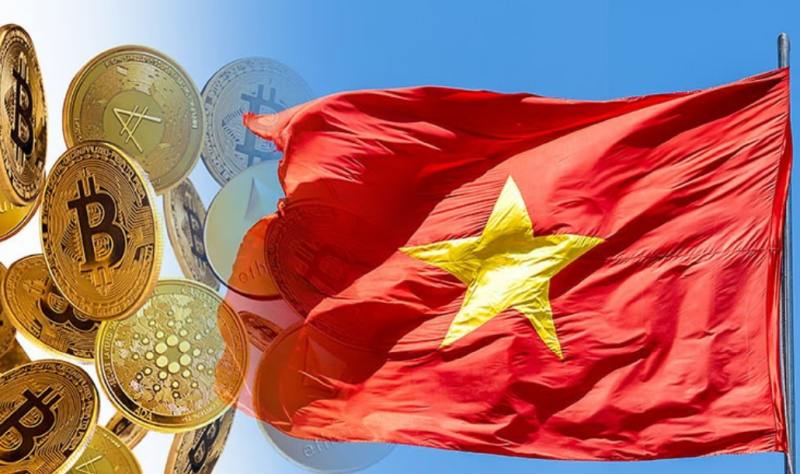
The Law on Digital Technology Industry passed by the National Assembly of Vietnam and related government regulatory decrees (such as Decree No. 284/2026/NĐ-CP) strictly define digital assets:(Vietnam crypto exchange)
1. Asset vs. Means of Payment (Legal Definition)
-
Recognized as “Property/Assets”: Vietnamese law defines virtual digital assets as “virtual property” protected under civil law. Residents can legally hold, trade on compliant exchanges, cash out, or inherit them.
-
Denied Status as “Legal Tender/Means of Payment”: The State Bank of Vietnam (SBV) maintains a clear stance that cryptocurrency is not legal tender and cannot be used as a medium of exchange for daily transactions.
2. Merchant Acceptance and Consumer Non-Compliance In Vietnam, any offline store, restaurant, or e-commerce platform that prices goods or services in cryptocurrency (including USDT, BTC, ETH, etc.) or accepts it as payment is acting illegally and faces heavy administrative fines or even criminal penalties.
3. How to Handle Everyday Expenses in Practice If you wish to use crypto for daily expenses in Vietnam, the compliant process is:
-
Fiat Off-Ramp: Liquidate your crypto assets into Vietnamese Dong (VND) through a licensed/compliant cryptocurrency exchange or P2P channel.
-
Daily Spending: Use the converted VND for cash payments, credit/debit card transactions, or QR code scans via popular local e-wallets (such as MoMo, ZaloPay, VietQR, etc.).