
Vietnam Unveils Crypto Regulatory Framework
It is reported that the State Securities Commission of Vietnam (SSC) has recently released a new draft decree.(Vietnam crypto exchange)
This new draft marks a formal shift in Vietnam’s stance on cryptocurrency and digital asset regulation—transitioning from a historically ambiguous “wait-and-see” approach to an era of look-through oversight and fine-grained compliance.
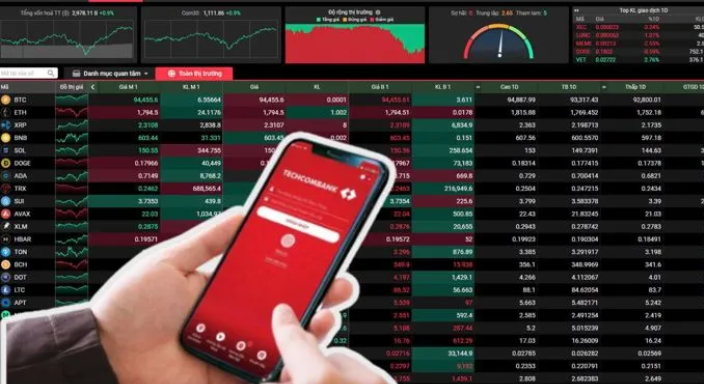
1. Daily Look-Through Reporting of Trading Data
-
Categorized Oversight: The draft requires exchanges to report buy and sell transactions separately by investor identity (domestic vs. foreign, individual vs. institutional) and by specific cryptocurrency, directly eliminating regulatory blind spots regarding Anti-Money Laundering (AML) and cross-border capital flows.
-
Tiered Order Classification: Orders are categorized into four tiers:
<$1,000,$1,000–$5,000,$5,000–$10,000, and>$10,000. By monitoring the proportion of trading volume across these tiers, regulators can precisely identify whether the market is driven by retail small-dollar trades or controlled by large-scale whale/institutional capital.
2. Regulatory Intent Behind the Policy
-
Preventing Money Laundering and Capital Flight: Aligning with the Financial Action Task Force (FATF) standards to ensure the origin and destination of funds remain traceable.
-
Paving the Way for Pilot Exchanges (Sandbox): In accordance with Resolution No. 05/2025/NQ-CP of the Vietnamese Government and subsequent pilot policies, Vietnam is gradually establishing a compliance-based licensing framework. Granular data reporting serves as one of the mandatory prerequisite requirements for exchanges seeking an operating license.
-
Laying the Groundwork for a Tax Regime: With a clear picture of transaction volumes and investor profiles, tax authorities will find it easier to introduce and enforce taxation policies on digital asset transactions (such as capital gains tax or stamp duty).
Overall, this move will significantly bolster transparency in Vietnam’s crypto market and reduce grey-market activity, while simultaneously driving up operational and data compliance costs for licensed exchanges.