SCEX and TCEX both aim to protect investors when the digital asset market opens
Representatives from SCEX and TCEX both emphasized that the digital asset market can only develop when investors are protected through standards of safety, transparency, and enhanced knowledge before participating in transactions.
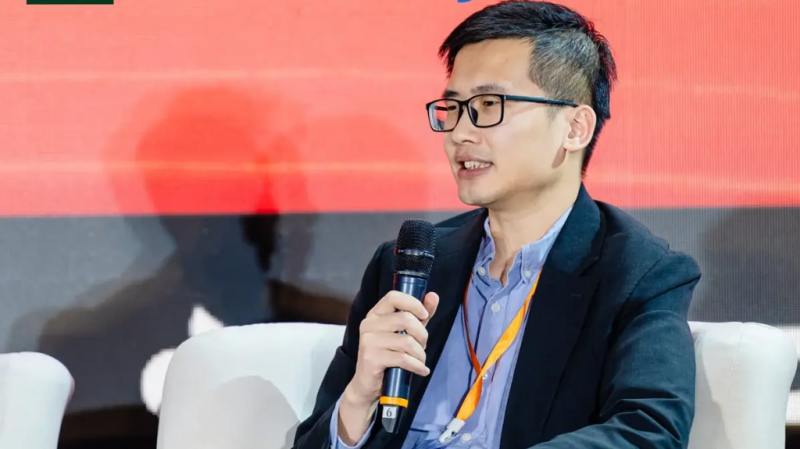
Trust and security are fundamental to the development of the digital asset market.
As Vietnam prepares to launch a pilot phase for its digital asset exchange, investor protection is considered a crucial factor in building trust and attracting capital to the market. Representatives from SCEX and TCEX, two companies involved in the preparation process, both believe that a sustainable market must prioritize the interests of its users.
Mr. Luu Minh Trung, Director of Product Development at Techcom Cryptocurrency Exchange Joint Stock Company (TCEX), believes that trust is a prerequisite for the development of the digital asset market. According to him, investors are only willing to participate when assets are protected and the trading platform meets high standards of transparency, security, and user experience.
Based on its experience in deploying systems across numerous international markets, TCEX states that it has built a three-layered security system, including 24/7 continuous security monitoring, asset storage in separate cold wallets, and full compliance with electronic identity verification (eKYC) procedures, as well as anti-money laundering and counter-terrorism financing (AML/CFT) regulations.
Alongside safety, TCEX focuses on products with real value, especially tokenized assets. According to the company, only when the market features products linked to real assets can Vietnam attract both domestic and international investors, while simultaneously creating sustainable liquidity for the digital asset ecosystem.
Currently, TCEX is one of five businesses assessed by the Ministry of Finance as having complete and valid documentation for consideration of licensing to participate in the pilot phase of the digital asset exchange. The company also stated that its current technology infrastructure is capable of processing approximately 100,000 transactions per second and can be further expanded as the market size increases.
SCEX chooses to educate investors, RWA is expected to become a trend.
Besides TCEX, Sacom Crypto Asset Exchange Joint Stock Company (SCEX) also shares the view that protecting users should be at the center of the development of the digital asset market in Vietnam.
According to Riley Tran, SCEX’s Director of Strategy, in addition to technical solutions and risk management, equipping investors with knowledge is crucial to minimizing mistakes when participating in a nascent market. Investors need to clearly understand the operating mechanisms, risk management methods, and compliance obligations before executing any transactions.
To realize this vision, SCEX has developed the SCEX Trading Simulator platform. The system uses real-time market data, allowing users to trade in Vietnamese Dong to create an experience close to the real market environment. According to the company, the platform has attracted nearly 50,000 participants and is being used to refine the system before the market officially launches.
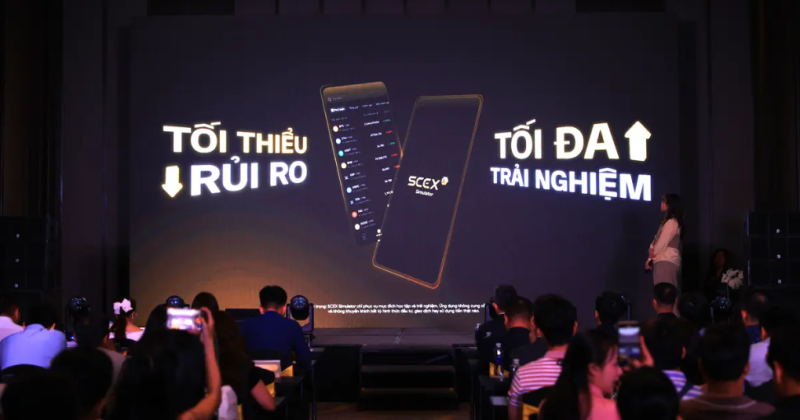
The SCEX Trading Simulator application was launched in early July 2026.
SCEX stated that the platform not only helps users familiarize themselves with trading operations but also integrates scenarios related to compliance obligations, including fulfilling tax obligations once the market becomes operational.
From a product perspective, many experts believe that tokenization of real assets (RWA) will be a prominent trend in the coming period. Representatives of the Vietnam Blockchain and Digital Asset Association stated that the global RWA market size has surged from approximately $6 billion at the beginning of 2025 to over $34 billion after 16 months, while investment in this sector has seen an increase of about 300%.
According to experts, RWAs could open up a new fundraising channel for Vietnamese businesses as assets such as cash-generating real estate, office space, or factories are tokenized and divided into smaller parts for multiple investors to participate.
Representatives from OKX Global also stated that the development of RWAs needs to be accompanied by a rigorous due diligence process. Experience from Japan shows that a real asset token typically undergoes a licensing process lasting from two to six months, while Singapore applies even stricter control standards.
According to Ms. Vu Tran Ai Tam, Business Development Director of OKX Global, in addition to requirements from regulatory authorities, exchanges also need to build listing processes according to international standards, ensure transparency in liquidity, and establish a token appraisal council. When deployed on platforms that fully comply with regulations, RWAs can become a bridge to attract international capital into Vietnam, while also providing more investment options for the domestic market.(Vietnam Crypto Exchange)